Our Approach
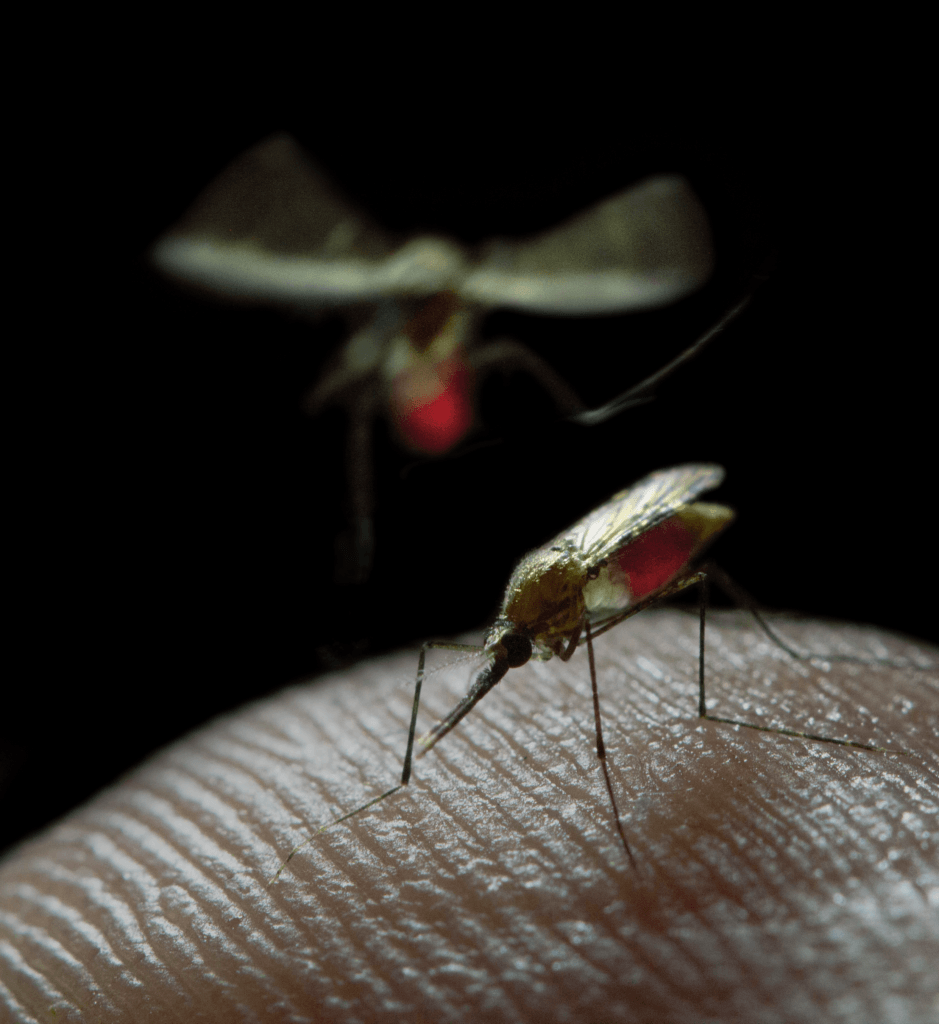
How has flight helped flies, mosquitoes and their relatives become one of the most diverse groups of animals on Earth?
We answered this by studying flight in 46 dipteran species.
Key Questions
What aerodynamic mechanisms are shared across all flies?
How have wing shape and kinematics diversified with ecology?
What can this diversity tell us about evolution of insect flight?
Methods
Applied Impact
Understanding how insect flight evolved can help develop tiny (bio-inspired) flying robots.
Links
Diptera Explorer
Interactive website with flight kinematics and aerodynamics data of all studied species
Publication
https://doi.org/10.1371/journal.pbio.3003473
Using a comparative approach, we study flight across 46 dipteran species to uncover the biomechanical and aerodynamic principles that govern insect flight and its evolution.
The Diversity of Dipteran Flight
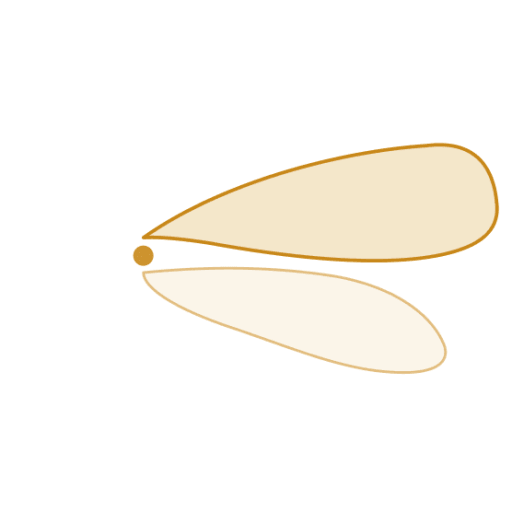
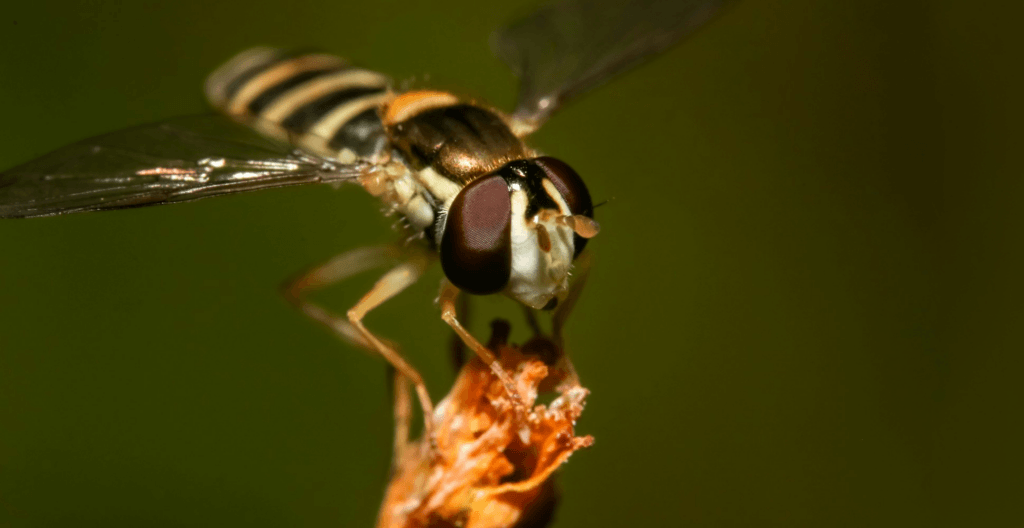
Diptera — the true flies — are the only insects to fly with a single pair of wings. Their hind wings have been reduced to club-shaped halteres that act as gyroscopes, providing rapid feedback on body rotation. This innovation is thought to be a key reason for their extraordinary evolutionary success.
By comparing flight across dozens of species — from tiny to large — we identified which aerodynamic mechanisms are fundamental and which have been tailored by evolution to particular ecological roles.