
Experimental Zoology · Wageningen University
How Flying Insects Master the Air
Discover
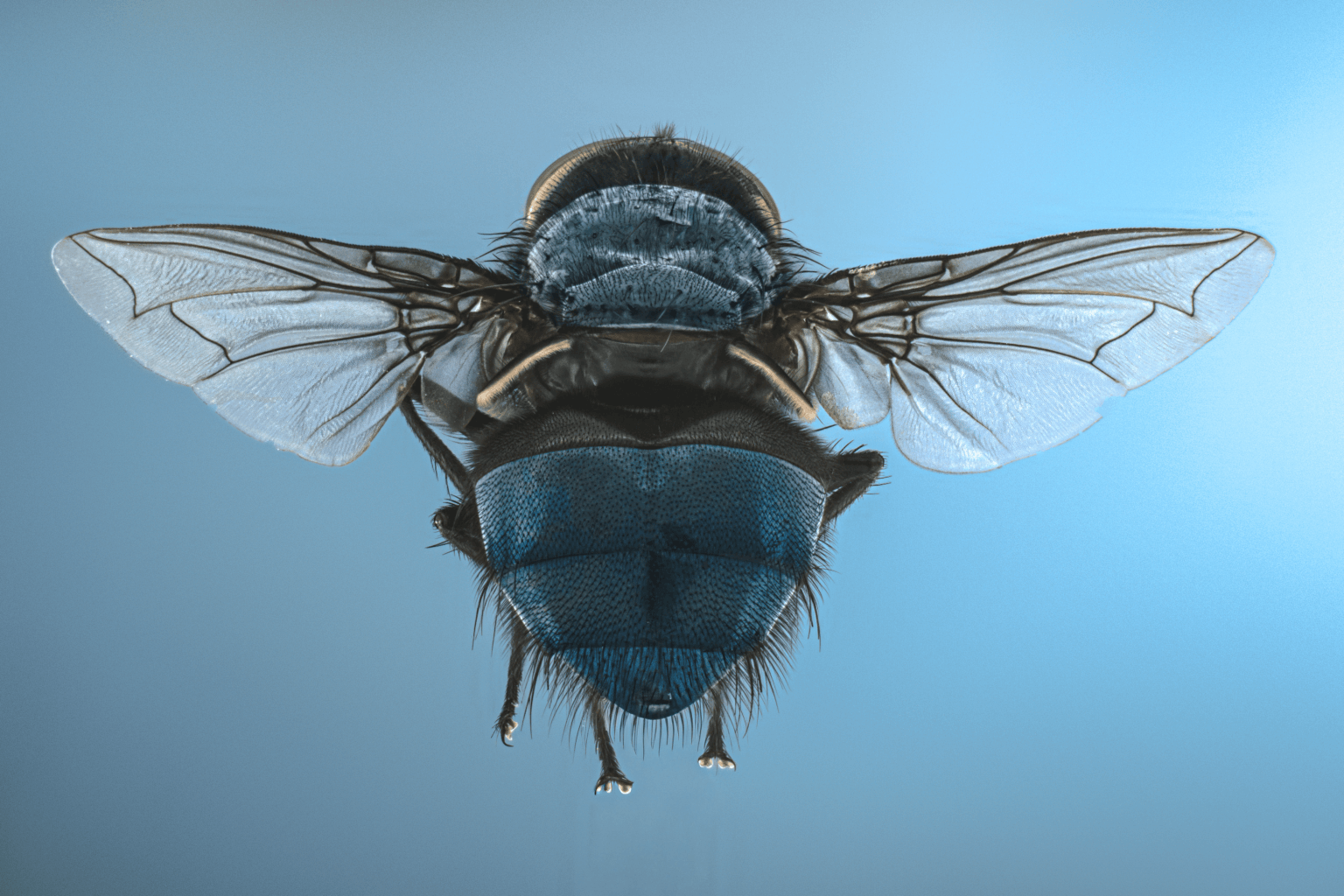
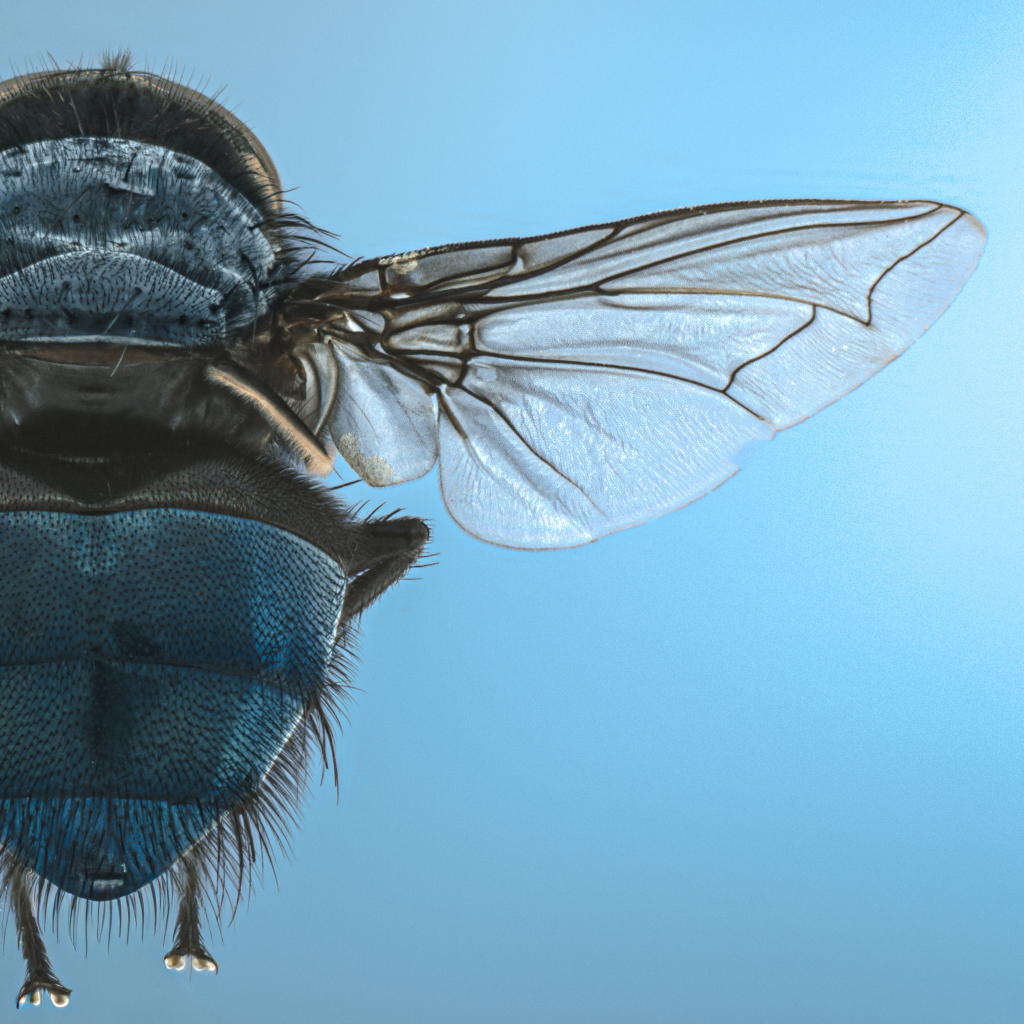
alliphora vomitoria
about our research
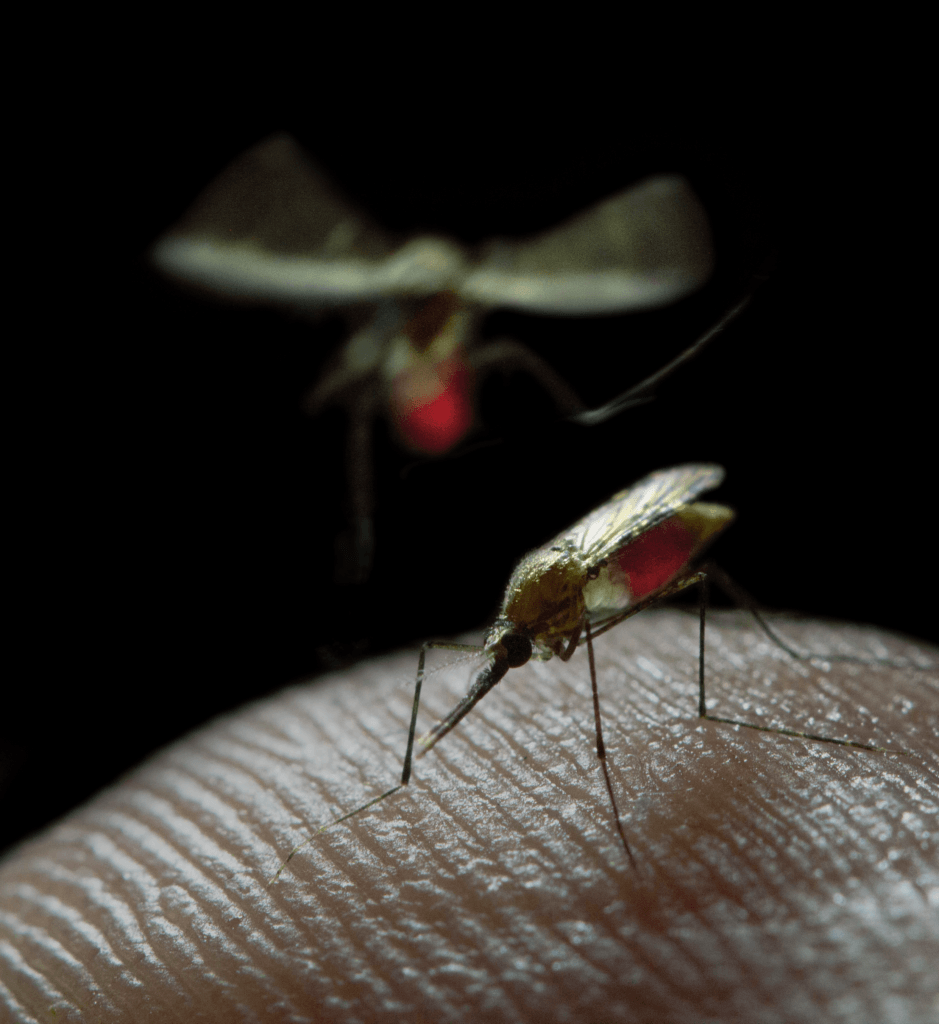
How does a mosquito find you in complete darkness?
How does a tiny fly escape your swatting hand?
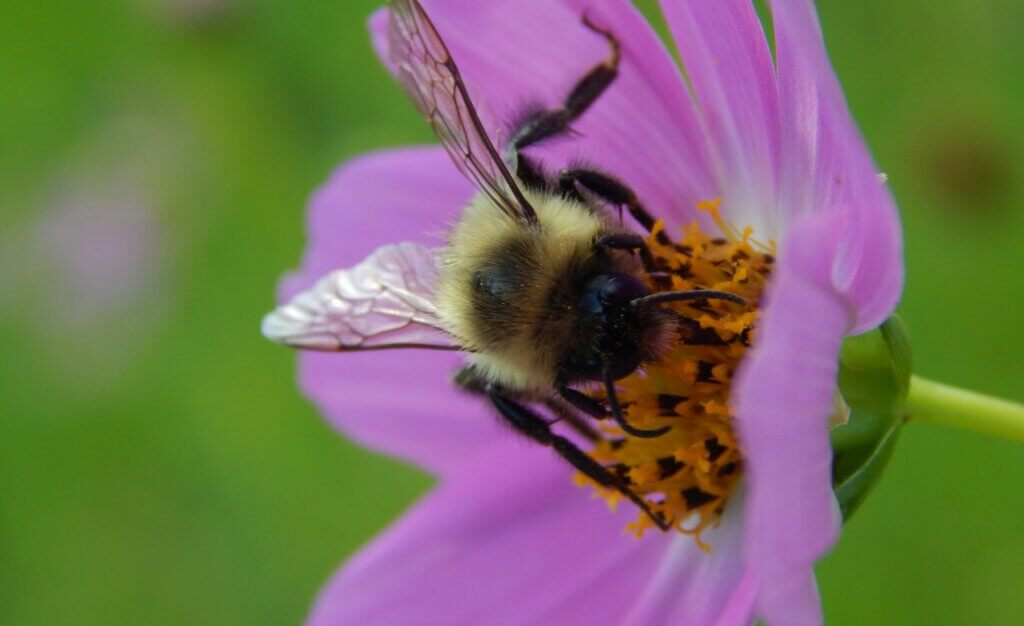
How can a bee land on a flower swaying in the wind?
How does a tiny fly escape your swatting hand?
How can a bee land on a flower swaying in the wind?
These familiar behaviours are anything but simple .
They require sophisticated sensory systems, rapid decision making and precise aerodynamic control.
At the Experimental Zoology group of Wageningen University, we investigate the biomechanics, aerodynamics and sensorimotor mechanisms that allow flying insects to navigate, manoeuvre and interact with their environment.
We study freely flying insects in both laboratory and field conditions using high speed motion capture and behavioural experiments. We combine these measurements with aerodynamic and sensorimotor models based on computational fluid dynamics and control theory.
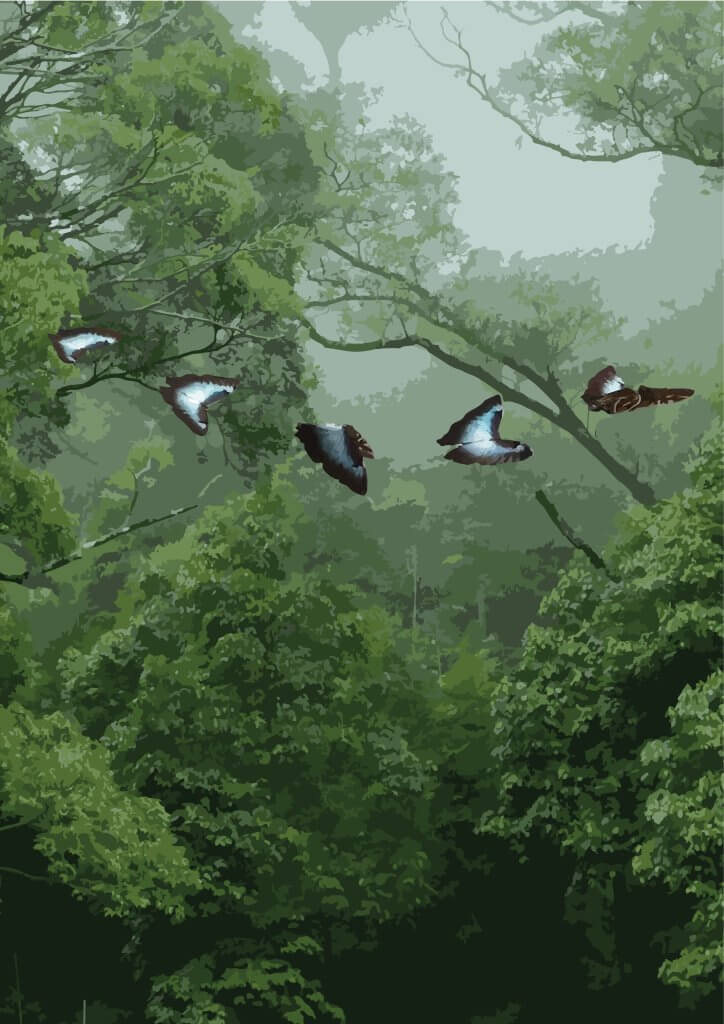
From mosquitoes and hoverflies to bees and butterflies, we study how insects fly and what their solutions can teach us about biology, evolution and bio-inspired engineering.
BiomechanicsAerodynamicsSensorimotor systemsBio-inspired engineering
0+
species studied
0+
Publications
0k fps
Video recordings
Footage
Insects in Flight - Laboratory Footage
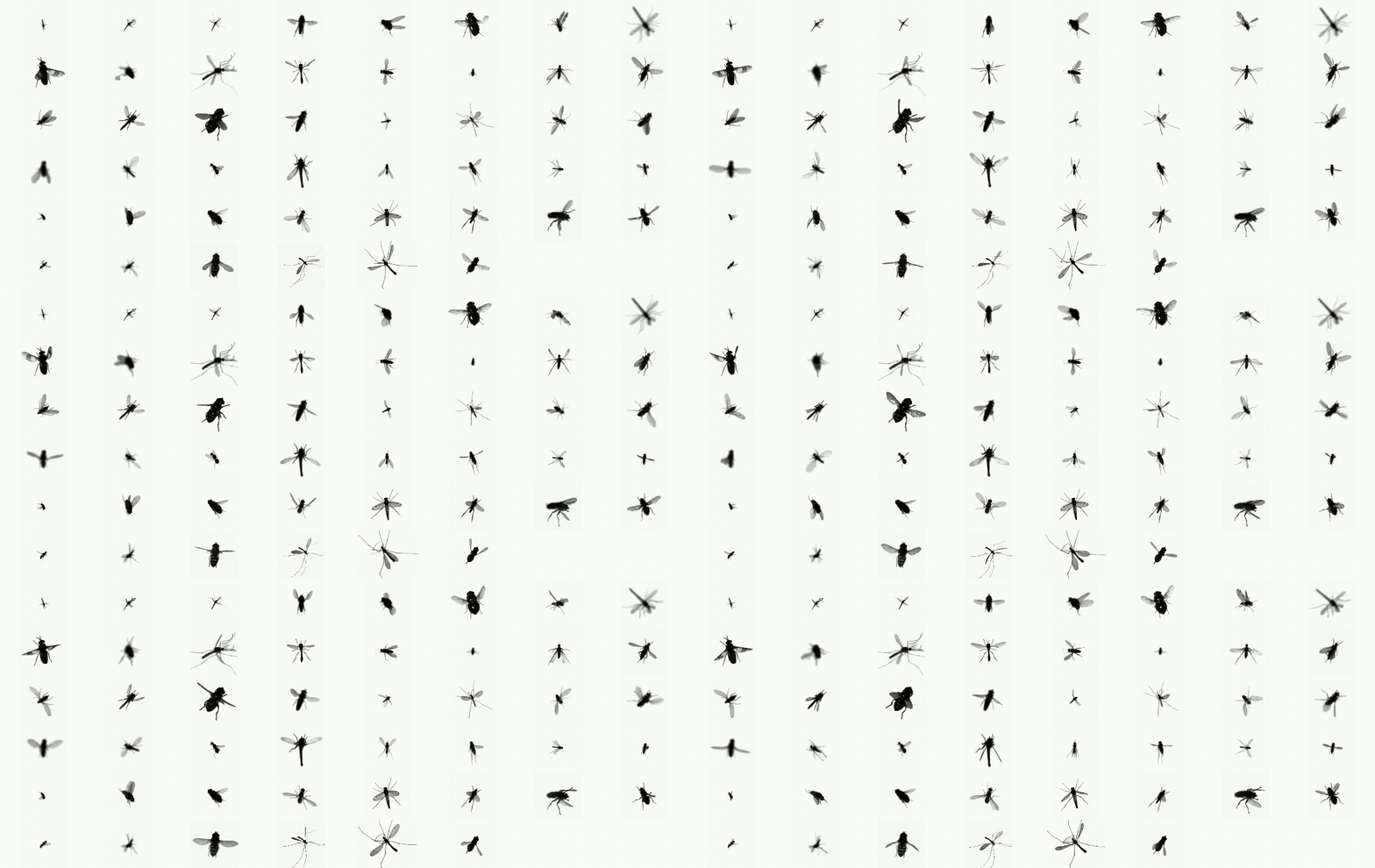
Slow-motion videos of freely flying Diptera. High-speed videos captured at up to 20,000 fps · Experimental Zoology Laboratory, Wageningen University
Collaborate
We welcome enquiries from prospective PhD students, postdoctoral researchers, and industrial partners in aerospace, robotics, and biological sensors.
For more information, please visit our research group at Wageningen University & Research.